
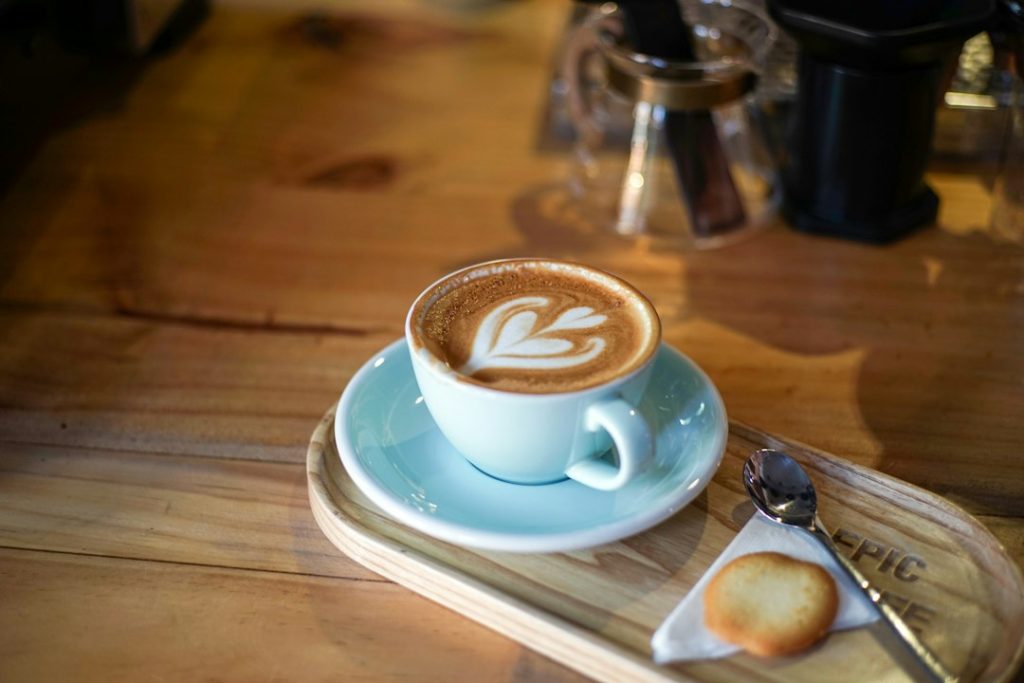
There is a difference between drinking coffee because the day demands it and making time for a cup you actually enjoy. The beans may be the same, but the experience changes when you notice the aroma, give the drink a moment to cool, and choose a setting that lets you enjoy it. A better coffee break is often less about buying something complicated and more about slowing down enough to taste what is already there.
Begin with the flavor you like
Coffee preferences are personal. Some people look for a bright, lively cup; others prefer chocolatey, nutty, or mellow notes. Neither preference is more sophisticated. If you enjoy a smooth latte, there is no need to force yourself toward a black pour-over. If you love the clarity of brewed coffee, a heavily sweetened drink may hide the qualities you appreciate.
Think about what sounds good today. A milk-based drink can feel comforting on a cool morning, while a smaller espresso or a clean filter coffee may suit a slow afternoon. Choosing with intention makes the break feel more satisfying.
Notice aroma before the first sip
Aroma is part of flavor, yet it is easy to miss when you are answering messages or hurrying between errands. Pause for a few seconds before drinking. Notice whether the cup smells toasted, fruity, nutty, floral, or warmly sweet. As the coffee cools slightly, other notes may become easier to recognize.
Temperature matters too. Coffee served extremely hot can be difficult to taste clearly. Give it a short moment, then take a small sip rather than a large one. The goal is not to turn a casual drink into a tasting exam; it is simply to enjoy more of it.
The cup and the setting count
A comfortable seat, a cup that feels good in your hands, and a little natural light can change the mood of a coffee break. Ceramic cups retain warmth differently from thin paper cups, while a quiet corner may make it easier to focus on the drink. These details do not make the coffee objectively better, but they can make the experience more pleasant.
Pairing can help. A buttery pastry softens the impression of a bright coffee; a lightly sweet baked good can complement a darker roast. If you prefer something savory, a breakfast sandwich or toast can make the pause more substantial without overwhelming the cup.
Build a small ritual that fits real life
A useful ritual should be easy to repeat. Put your phone away for the first few minutes. Sit down instead of drinking while standing at the counter. Take the first sip before opening your laptop. If you are at a café, let the room become part of the pause rather than treating it as a place to collect a takeaway cup.
You do not need a long break. Even ten intentional minutes can make a busy day feel less fragmented. The important part is giving the moment a beginning and an end.
Make the next cup your own
Try one small change at a time: a different roast, a smaller drink, a pastry pairing, or a quieter seat. Pay attention to what you enjoy rather than chasing a trend. The best coffee routine is the one that fits your taste and your day. When you slow down, an ordinary cup can become one of the most welcome parts of the morning.
Understand the small details behind the cup
Water, grind size, and brewing time all influence coffee, even when the same beans are used. A finer grind generally exposes more surface area to water, while a coarser grind changes the pace of extraction. At home, changing several variables at once makes it difficult to know what improved the cup. If you brew your own coffee, adjust one thing at a time and take a note of what tastes better to you.
Freshness matters, but it does not mean every bag must be used immediately after roasting. Coffee needs a short period to rest after roasting, and whole beans usually hold their character longer than pre-ground coffee. Store beans in a sealed container away from heat, light, and moisture. Avoid keeping them beside the stove or in a clear jar on a sunny counter.
Choose a pairing that supports the flavor
Think of food as a companion rather than a test of expertise. A lightly sweet pastry can make a bright cup feel rounder. Toast with butter or a savory breakfast bite can balance a coffee with deeper roasted notes. If a drink already has syrup or flavored milk, a simple pastry may be enough. Too many strong flavors can compete with one another, so a restrained pairing is often more satisfying.
Make a café visit feel restorative
When you visit a café, give yourself permission to order the familiar favorite. You do not need to choose the most complicated drink on the menu to appreciate the craft behind it. Notice how the cup is served, how the milk feels in a latte, or how the aroma changes as the drink cools. If you are curious, ask the barista what they enjoy that day; a simple recommendation can introduce you to something new without pressure.
A coffee ritual should make the day feel a little more human, not add another standard to meet. Let it be simple, personal, and easy to repeat.
Pay attention to how the cup changes
Coffee is not a fixed flavor from the first sip to the last. As it cools, sweetness, acidity, and aroma can become easier to notice. A drink that tastes sharp when very hot may feel rounder a few minutes later. This is one reason a ceramic cup and a comfortable place to sit can improve the experience: they give you time to notice the changes instead of finishing the drink in a hurry.
If you are comparing coffees, keep the tasting simple. Notice the first impression, the texture, and the finish. You might describe one cup as bright and light, another as deep and chocolatey. You do not need technical vocabulary to know what you enjoy. Your own preference is the most useful guide when choosing a regular order.
Make the break fit the day
A short morning stop may call for a smaller drink and something easy to eat. A longer afternoon pause can make room for a brewed coffee and a pastry shared with a friend. If you work remotely, consider taking the first few minutes away from the screen before returning to your tasks. A deliberate pause can feel more refreshing than stretching a distracted coffee break across an hour.
Over time, the small details you repeat—your preferred roast, a familiar seat, or a favorite pairing—can turn a routine into something you look forward to.