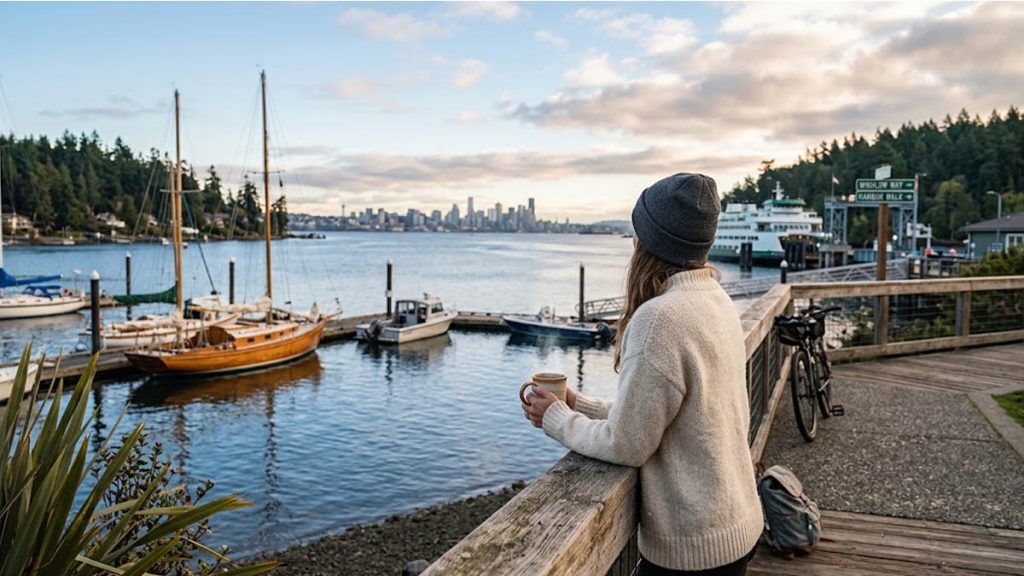
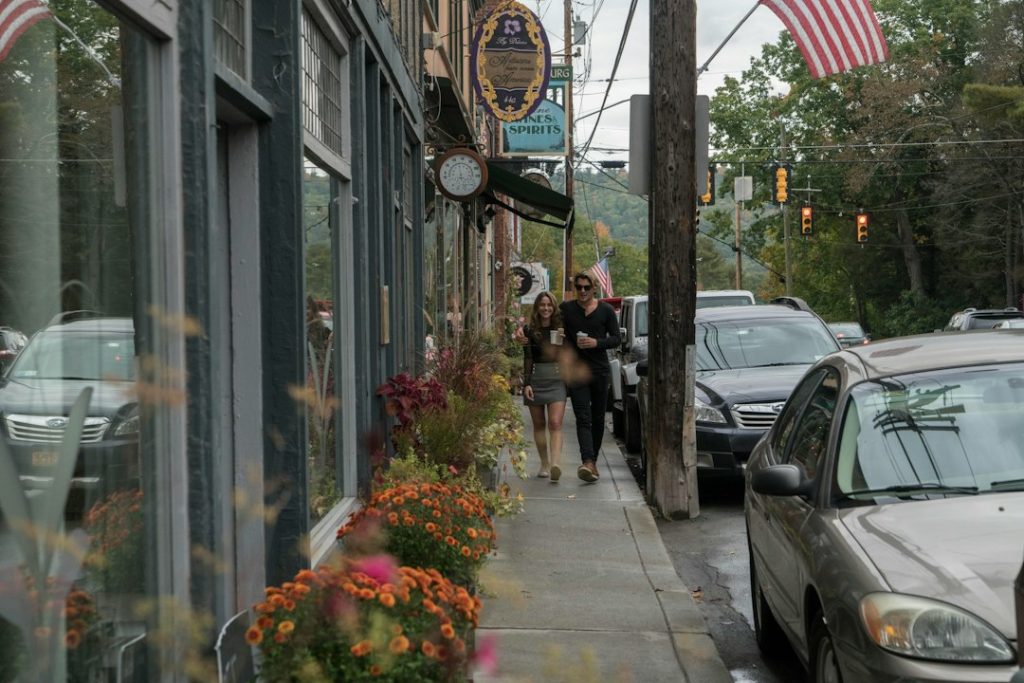
There is a particular pleasure in exploring a town without trying to see everything. A short walk through a neighborhood can reveal more character than a hurried list of attractions: a shop window arranged with care, a familiar café, a side street with interesting architecture, or a place where people stop to talk. The best way to enjoy an hour in town may be to give yourself fewer instructions.
Choose a starting point, not a strict route
Begin somewhere easy to find, such as a main street, waterfront path, or public square. From there, let the streets guide you. A loose loop is useful because it keeps the walk manageable, but leave room to turn down a side street if something catches your attention.
Before setting out, check the weather and wear shoes that are comfortable for walking. In the Pacific Northwest, a light rain layer can make the difference between abandoning a walk and enjoying it. A small umbrella or waterproof jacket is often more practical than waiting for a perfect forecast.
Look beyond the obvious storefronts
Independent shops give a neighborhood its texture. Notice the details: hand-lettered signs, seasonal displays, local goods, books, flowers, or the way a shop uses its front window. You do not need to buy something to appreciate the work that goes into these spaces. If a place interests you, step inside, browse respectfully, and ask a question when the moment feels natural.
Keep an eye out for public spaces too. Benches, small parks, waterfront viewpoints, and community noticeboards can tell you how a place is used by the people who live there. These are often the moments that make a walk feel personal.
Make one pause part of the plan
Choose a café or bakery as a natural midpoint. A warm drink, a pastry, or a light snack gives the walk a rhythm: explore, pause, and continue. If the day is busy, even a short stop can make the outing feel more intentional.
Rather than trying to visit multiple places, choose one stop where you can sit for a few minutes. Watch the street, notice the changing light, and decide whether you want to continue or head back. A good neighborhood walk should leave you refreshed, not exhausted.
Be a thoughtful visitor
Walk at a considerate pace, keep doorways clear, and respect residential areas. If you photograph a storefront or public scene, be mindful of people nearby. Local businesses are part of a living community, not just scenery for a day out. Small courtesies make the experience better for everyone.
Let the hour be enough
You do not need a full itinerary to feel that you have discovered something. One street, a few interesting windows, a friendly stop, and a little fresh air can make an ordinary afternoon memorable. The next time you have an hour free, leave the checklist at home and take a small-shop walk. The details you notice may be the best part.
A simple one-hour rhythm
If you like having a loose structure, divide the hour into three easy parts. Spend the first 20 minutes walking and getting a feel for the street. Use the next 20 minutes to browse one or two shops that genuinely interest you. Finish with a drink or snack and a few minutes to sit. This gives the outing a natural shape without making it feel like a timed tour.
For a longer visit, repeat the rhythm in another nearby area rather than trying to cover the entire town in one go. You will notice more when you are not constantly checking directions. A slower pace also makes it easier to support small businesses in a thoughtful way: read the signs, ask about locally made items, and take time to appreciate what makes each place different.
Make the walk comfortable
Check whether sidewalks are busy, whether a route includes hills, and whether there are places to rest. If you are walking with a stroller or mobility aid, choose the smoothest route and avoid assuming every older storefront has step-free access. A little route planning can make the outing more welcoming for everyone.
On wet days, keep your phone and any paper purchases protected. On sunny days, bring water and take breaks in shaded spots. The point is not to optimize every step; it is to make the walk pleasant enough that you want to do it again.
Notice what makes a place feel local
Look for the ordinary signs of community life: a noticeboard, a neighborhood event poster, a familiar dog-walking route, or a shop that has been part of the street for years. These details help a visitor understand a place beyond its headline attractions. A good walk leaves you with a stronger sense of the neighborhood, even if you only covered a few blocks.